Country, Culture, People, Future

YMAC Members’ News

NAIDOC profile: the Pilbara pastoral workers’ strike

Posted: July 8th, 2011
Filed under: , , ,

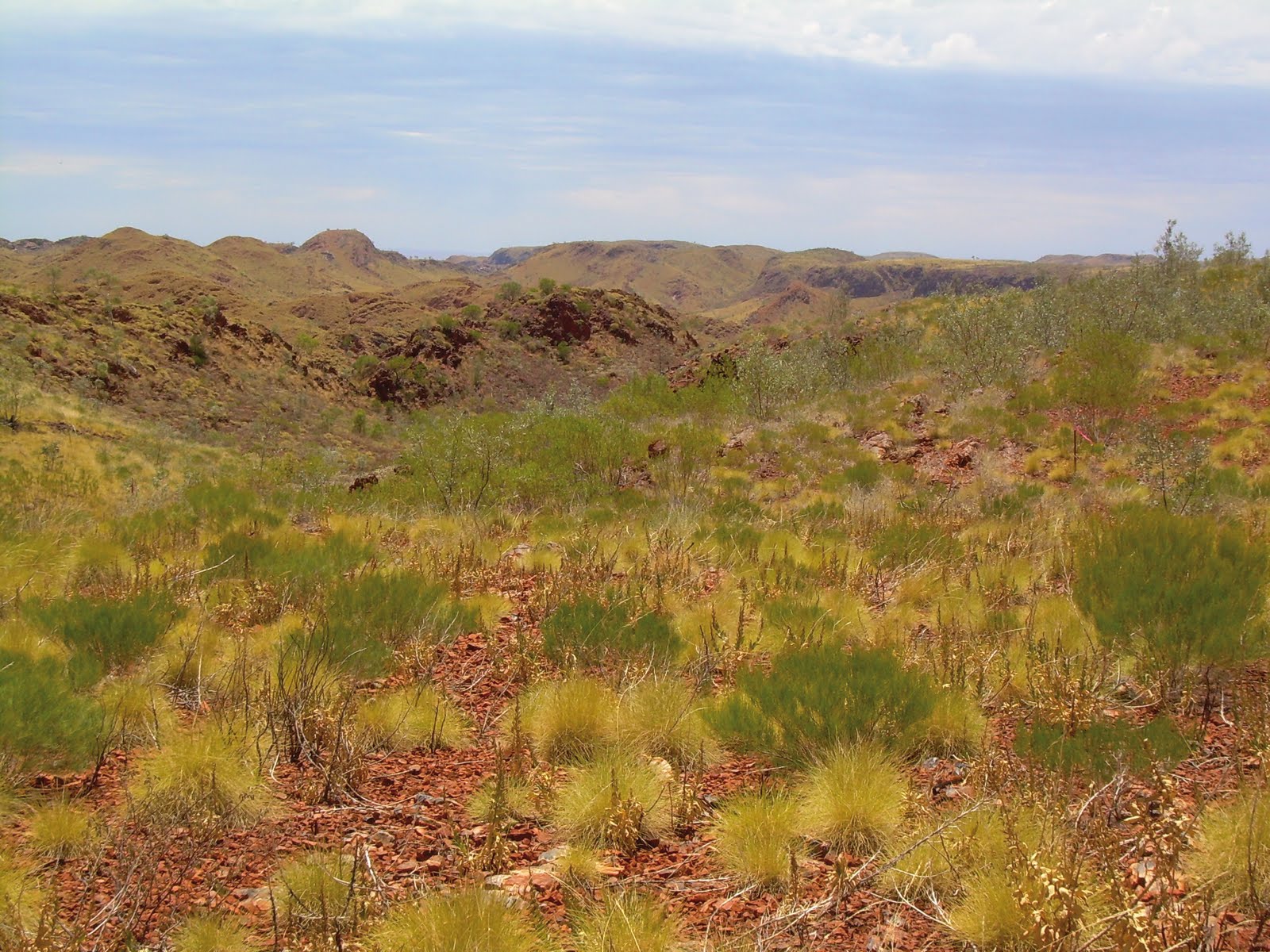
Njamal country

In 1946, Aboriginal pastoral workers embarked on the longest strike in Australian history, which was also the first industrial action by Indigenous Australians. They demanded better pay and working conditions, in a time when many Aboriginal stock workers received no cash wages at all, and were not free to leave their employment when they chose.

The strike began on May 1, 1946, at the beginning of shearing season, when the pastoralists were most vulnerable to a loss in Aboriginal labour. It had been planned years earlier by Aboriginal leaders Clancy McKenna, Dooley Bin Bin and Nyaparu Coppin, with white prospector Don McLeod. A group of about 200 elders from 23 different Aboriginal groups met and decided on a strike in 1942, but agreed to wait until the War ended before commencing action.

Hundreds of people walked off more than 20 stations, affecting about 10,000 square kilometres of sheep farming country in the Pilbara. Many of them gathered at different strike camps where they hunted, gathered bush tucker, gathered skins and pearl shell and engaged in mining activities to provide food and money for supplies for all those people in the camps.

For many of the strikers, this was their first experience of economic independence, and it proved life-changing. Many of them never went back to the stations, and instead pursued these money-making activities until some families saved enough to purchase their own stations in the 1950s. Strelley Station, in Njamal country, was one of those, and is still Aboriginal owned today.

Many Aboriginal people were put in chains or jailed for their participation in the strike. Despite the danger they were in and the pressure they faced, the strike continued on until 1949, making it the longest strike in Australian history. Don McLeod said of his fellow organiser Dooley Bin Bin,

It is difficult to exaggerate the intelligence and courage of men like Dooley. He was a highly motivated man who dedicated himself utterly to his task. What he may have lacked in knowledge of the white man’s system he made up for by his absolute resolve and fearlessness.” (McLeod, D. How the West was Lost, self published, Port Hedland (WA), 1984. p.51)

The Pilbara strike paved the way for later protests and industrial action such as the 1966 Gurindji strike that led to equal wages for Aboriginal Australians. The courage and determination of the men and women of the Pilbara who stood up for their human rights in 1946-49 is an inspiration today to the many people who continue to pursue justice on their traditional homelands.

Across Australia every July, NAIDOC Week celebrates the history, culture and achievements of Aboriginal and Torres Strait Islander peoples. In honour of NAIDOC 2011 YMAC is featuring a series of Aboriginal people, organisations and events that contribute to the vibrant Aboriginal culture of the Midwest and Pilbara. For more information on NAIDOC including its history and events happening near you, visit http://www.naidoc.org.au/.


NAIDOC profile: Wula Guda Nyinda Aboriginal Cultural Tours

Posted: July 7th, 2011

Filed under: , , , , ,

Darren “Capes” Capewell teaching stories of his
country to YMAC staff

Wula Guda Nyinda Aboriginal Cultural Tours is an Indigenous tourism provider in the world heritage listed Shark Bay area. Owner and operator Darren “Capes” Capewell offers tourists a unique insight into the culture and country of the Indigenous people of Shark Bay.

A descendant of the Malgana and Nanda people, Capes is passionate about increasing understanding of and respect for Aboriginal culture.

He does this by offering a variety of tours that include bushwalking, kayaking, collecting bush tucker, and telling stories about the country and its first peoples. “I make all my tours interactive, so people participate in the experience,” he said.

Wula Guda Nyinda translates to “you come this way,” which refers to sharing stories, both between generations and between cultures. Capes sums up this approach with the philosophy of education, understanding and respect, which he stresses throughout his tours.

“I try to challenge negative stereotypes people have of modern Aboriginal people by presenting Aboriginal culture in a positive way. I want people to understand the culture and the country,” Capes said.

Capes works to advance the Indigenous tourism industry through his leadership in the Western Australian Indigenous Tourism Operators Committee, the Shark Bay World Heritage Committee and Indigenous Tourism Australia.

“I think education and awareness of Aboriginal culture is so important, for Aboriginal kids, and for non-Aboriginal people. NAIDOC week is a great thing, because it is a time all Australians can walk together, and learn together, about something that is very unique. We have the oldest living culture in the world, and that is something all Australians should be proud of.”

To learn more visit http://www.wulaguda.com.au/

Across Australia every July, NAIDOC Week celebrates the history, culture and achievements of Aboriginal and Torres Strait Islander peoples. In honour of NAIDOC 2011 YMAC is featuring a series of Aboriginal people and organisations that contribute to the vibrant Aboriginal culture of the Midwest and Pilbara. For more information on NAIDOC including its history and events happening near you, visit http://www.naidoc.org.au/.

Check out issue 14 of YMAC News

Posted: June 24th, 2011

Filed under: , , , , , , , , ,

The latest issue of YMAC News is out today, filled with information about the great work being done by traditional owners and YMAC staff. Issue14 of our newsletter focuses on the land access deals struck between four native title groups and Rio Tinto Iron Ore, with sections on each group and what the agreements will mean for them.

There are stories about  our co-chair of the Board talking about carbon farming in Canberra, the realease of YMAC’s community guide, the substantial role played by YMAC at the annual National Native Title Conference, as well as profiles of some of our board members.

We hope you enjoy the 14th issue of YMAC News.
Click the link below for an electronic version or email srosenfeld@ymac.org.au to request hard copies for yourself, your family, your business or workplace.

YMAC News issue 14

Badimia protects Lake Moore

Posted: June 23rd, 2011

Filed under: , ,

Yesterday the National Native Title Tribunal handed down a decision that will help the Badimia people look after Lake Moore and the many places around it that are important to the Badimia people.

Lake Moore, a dry salt lake south of Paynes Find, is a very special place for Badimia people. Many Badimia people visit the area with their families every year to go camping, hunting, collecting bush medicines and teaching the younger generations about country and culture. Lake Moore and the surrounding area is not only important as a place for Badimia families to go out on country, but it is home to very sacred places where ceremonies traditionally took place.

The National Native Title Tribunal recognised how important this place is for the Badimia people by ruling that the company seeking a mineral exploration licence has to negotiate with the Badimia people before it can have access to the area for low-impact exploration activities. This will allow the Badimia people to have more of a say over access to the area, and will give them a chance to make sure the mineral explorers have an understanding of the significance of the area. 

YMAC makes national and international news headlines!

Posted: June 6th, 2011

Filed under: , , , ,


Gordon Yuline, Nyiyaparli elder, signs agreement

YMAC, and Pilbara traditional owners, have received unprecedented media coverage in state, national and international media regarding the recent signing of historical agreements with Rio Tinto.

The news hit the headlines on Friday, 3 June, continued over the weekend and into the week of 6 June. The story, and YMAC’s CEO, Simon Hawkins, featured in the following major media outlets;

Television: BBC International News, ABC 7pm news, ABC 24 6pm news, GWN and WIN 6pm news

Newspapers: Front page of the West Australia and Australian newspapers, also featured in Australian Financial Review, The Age, Canberra Times, Sydney Morning Herald, plus 12 other national regional papers. Will also appear in WA regional and Indigenous newspapers the week of 6 June.

Radio: BBC radio, ABC national and regional radio, SBS radio, Sky Business, 6PR, 96FM, 94.5FM, and national radio across Australia.

Keep and eye out for more great news stories coming up for YMAC, and the traditional owners we represent, in 2011!

Pilbara groups reach agreement with Rio Tinto

Posted: June 2nd, 2011

Filed under: , , ,

Centre: Neil Finlay, Kuruma Marthudunera elder,
and family at agreement signing.

Four Pilbara native title claim groups have announced they have signed Australia’s most comprehensive native title agreements with Rio Tinto.

The agreements are a result of seven years of extensive negotiations between the four groups, represented by Yamatji Marlpa Aboriginal Corporation (YMAC), and the Rio Tinto Iron Ore group.

The final agreements give Rio Tinto certainty for its existing and future operations in the areas covered by the four native title claim groups;

• Nyiyaparli
• Puutu Kunti Kurrama and Pinikura
• Kuruma and Marthudunera
• Ngarlawangga (northern part of claim area).

The total area involved in the agreement is about 70,000 square kilometres and includes existing mining operations at Brockman 4, Mesa A, Mesa J, Hope Downs, as well as any future Rio Tinto mines and operations in the native title claim areas.

Under the agreement, the four native title claim groups have negotiated a range of economic and non-economic benefits. These include an income stream from mining on their lands, training and job opportunities, access to contracts for services for Rio Tinto and support for environmental and heritage activities. The agreement also includes mining exclusion zones that recognise the importance of significant sites such as burial and ceremonial sites, as well as important water holes and ecologically sensitive areas.

YMAC’s Chief Executive Officer, Simon Hawkins, said the four Aboriginal groups had worked tirelessly to reach agreement with Rio Tinto.

“The signing of these agreements is recognition of the professional way in which the parties have been able to work together to get the best outcomes,” he said.

“Through the negotiations, the native title groups now have an established relationship with Rio Tinto that they can build on for their future.

“The real work starts now to implement the agreements and ensure the native title claim groups benefit from their commitment,” he said.

Mr Hawkins said rigorous corporate governance and benefit management structures were being put in place to underpin the implementation of the agreements. This includes the establishment of four local Aboriginal corporations to manage the agreements for each group and a broader regional corporation to implement seven regional standards relating to Rio’s operations.

Indigenous Land Use Agreements (ILUAS) will be signed later this year between the four native title groups, Rio Tinto and the state government, with on-country celebrations planned for later in the year.

New publication for Traditional Owners

Posted: May 27th, 2011

Filed under:


YMAC Community Guide

YMAC has just released a guide for the community on native title and YMAC services. 

YMAC’s new Community Guide is the most comprehensive guide to understanding native title and our services that YMAC has ever produced.
Native Title is a very complex area of law and it can be difficult to understand how the Native Title Act, case law, government policy and heritage laws fit together.

YMAC’s new Community Guide brings together what claimants need to know about native title along with a guide to the non-native title services offered by YMAC in a way that is clear and easy to understand.
The YMAC Community Guide will be sent out to all YMAC members and claimants this month. Members and claimants should make sure that YMAC has their current address to ensure that they receive their copy. Anyone may request a copy by contacting one of our offices.
 An electronic version is also available from https://www.ymac.org.au/go/information-centre/factsheets-and-forms The electronic version contains sections that can be downloaded individually, on Who we Are, About Native Title, Research, Heritage and Community, Future Acts and Agreements, Travel Allowance, and More Information, Membership and Key Terms.
 
YMAC CEO Simon Hawkins said, “This publication was requested by our Board Of Directors, who feel it is important that the community have a single document that explains native title and YMAC services. The publication also answers the most frequently asked questions from our clients about native title.
 
“The more native title claimants understand the complex process of native title, the better they will be able to make the right decisions for their families and communities. This can also be a tool for teaching younger generations about native title and the opportunities available through their land council.”

YMAC Regional Committee and Board of Directors Meetings

Posted: May 11th, 2011

Filed under: , ,

Last week the Yamatji Regional Committee and the Pilbara Regional Committee met in Exmouth for the second Regional Committee meetings of 2011. The Regional Committee meetings were followed by a meeting of the Board of Directors.

Attendance was high as the Board and Committee members met to discuss YMAC’s policy direction. The Board and Committees received updates from legal, research and communications units, and an overview of YMAC’s achievements since the last Committee meetings. The Committee members also used the opportunity to discuss heritage and cultural issues in the regions.

YMAC is run by our Board of Directors made up of 12 Aboriginal people who have been chosen by our members from the Regional Committees. The Board of Directors makes important policy decisions and sets the direction for YMAC.

Both regions have their own Regional Committee to represent the concerns and interests of the different communities in their region. Each region elects its own Regional Committee members.

All members are eligible to nominate for their Regional Committee. Membership is open to all Yamatji and Marlpa adults. If you would like to become a YMAC member click here to download a YMAC membership form.

Applications open for Community Liaison Officers

Posted: May 3rd, 2011

Filed under: , , , ,

YMAC is seeking motivated and enthusiastic individuals who have a strong desire to work with Aboriginal communities within the Yamatji and Pilbara regions and advancing their interests through the native title process.

There are positions based in YMAC’s Geraldton, Karratha and South Hedland Offices.

You would be working to ensure claimants are informed and can participate in the management of their native title claims. You would also be acting as a source of information to the community about the organisation, the native title act and other relevant matters.

To be considered for this position, you must address briefly in your letter the following selection criteria:

• Ability to effectively and sensitively communicate and work within a team environment

• Excellent verbal, written, communication skills

• Proficiency with computers

• Good understanding of Aboriginal people, their culture and decision making processes

• Strong interpersonal and negotiation skills

• Current unrestricted manual ‘C’ class license is essential.

For further information about this position, please contact Human Resources on (08) 9268 7000.

Under S.50 (d) of the Equal Opportunity Act, an applicant’s Indigenous background is a genuine occupational qualification.

Job descriptions and an application form are available on our website www.yamatji.org.au, or contact Human Resources on (08) 9268 7000 or email jobs@ymac.org.au.

All applications must include a covering letter, completed application form, resume, and a statement addressing the selection criteria.

Applications can be posted to PO Box 3072, 256 Adelaide Terrace, Perth WA 6000, faxed to (08) 9268 7049 or emailed to jobs@ymac.org.au

Closing date for the above positions is 4.00pm Friday 20th May 2011

Country is our mother, the provider and keeper of cultural belongings. Country and Culture go together. You can’t have one without the other.

Yamatji Marlpa Aboriginal Corporation respectfully acknowledges the Traditional Owners and custodians throughout Western Australia, and on whose Country we work. We acknowledge and respect their deep connection to their lands and waterways.

We honour and pay respect to Elders, and to their ancestors who survived and cared for Country.

Our offices are located on Whadjuk Country, Southern Yamatji Country, Kariyarra Country, and Yawuru Country. We recognise the continuing culture, traditions, stories and living cultures on these lands and commit to building a brighter future together.

Disclaimer: Caution: Please be advised that this website may contain images, voices and names of deceased people.

This will close in 15 seconds